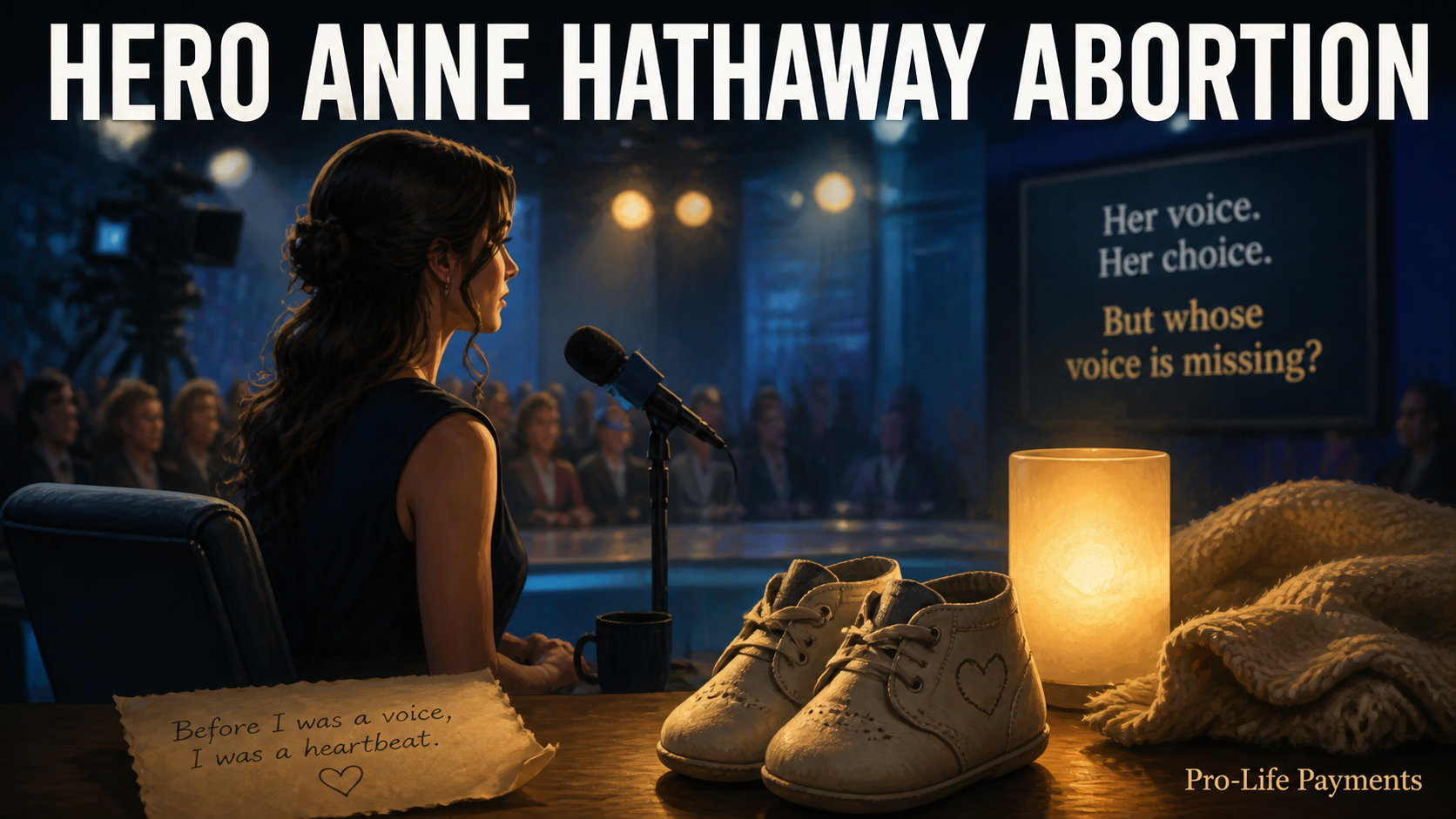
The video “Hero Anne Hathaway Abortion” revisits Anne Hathaway’s widely circulated comments about abortion and challenges the cultural praise often given to celebrities who frame abortion as compassion. The central pro-life response is simple: genuine mercy protects vulnerable human life rather than ending it.
Hero Anne Hathaway Abortion and the “Mercy” Claim
In the featured clip, Anne Hathaway speaks about abortion in the context of women’s rights and describes abortion as something that “can be another word for mercy.” Her comments originated in a 2022 appearance on The View, where she discussed the impact of abortion restrictions and the fear that a young woman’s future could be permanently altered by an unplanned pregnancy. A Pro-Life Payments article index identifies Hathaway as a vocal pro-choice advocate and references her 2022 appearance on The View.
The Hero Anne Hathaway Abortion video rejects the premise that abortion should be praised as mercy. For pro-life Americans, mercy is not measured only by the difficulty of a pregnancy or the pressure a mother may face. It must also account for the child—an individual human being whose life, future, and inherent dignity are at stake.
Must See Also: Define Personhood

Hero Anne Hathaway Abortion: The Missing Person
The core issue in the Hero Anne Hathaway Abortion discussion is the way abortion rhetoric can make the unborn child invisible. A pregnancy is often discussed as though it involves only one person’s autonomy, plans, health, or economic circumstances. But abortion necessarily affects a developing human being as well.
Pro-Life Payments argues that, from fertilization onward, a new human organism exists with a distinct genetic identity and an ongoing developmental trajectory. Its discussion of personhood states that a zygote formed at fertilization carries the genetic blueprint of a human being and develops through embryonic and fetal stages. People may debate legal policy, difficult circumstances, and moral responsibility, but a serious conversation cannot avoid the biological reality that abortion ends the life of the developing child.
Must See Also: Pro-Life Atheist to Convert to Catholicism

Mercy Should Mean Help, Not Abandonment
Women facing unexpected pregnancies can experience genuine hardship: financial instability, relationship conflict, housing insecurity, fear, health concerns, or pressure from people around them. A pro-life position does not require pretending those challenges are easy. It calls for a response that refuses to solve one person’s crisis by taking another person’s life.
A life-affirming definition of mercy includes tangible support: pregnancy-resource services, medical care, emotional support, housing connections, material assistance, adoption options when appropriate, and ongoing help after birth. The goal should be to make it more possible—not less possible—for a mother to welcome her child without being isolated or abandoned.
The Hero Anne Hathaway Abortion video therefore serves as a reminder that compassionate language can obscure a grave moral question. Calling abortion “mercy” may sound empathetic, but the pro-life movement asks: mercy for whom, and at whose expense?
Must See Also: Christian Nonprofit Donor Management
Celebrity Influence and Moral Clarity
Celebrity comments can shape public opinion because famous people receive enormous platforms and their views are repeated across media outlets. When an actress such as Anne Hathaway presents abortion as a form of compassion, viewers may hear that framing without being invited to consider the humanity of the unborn child or the alternatives available to mothers in crisis.
The pro-life answer should not be personal hostility toward Hathaway or anyone who holds a pro-choice position. Instead, it should be a clear and compassionate challenge to the underlying idea: no person becomes less valuable because he or she is dependent, small, unwanted, poor, disabled, or inconvenient to others’ plans.
Public figures can influence culture, but ordinary people, churches, businesses, ministries, and families can also influence it by choosing to support mothers and children in practical ways.
Must See Also: End Abortion, Maintain National Competitiveness

Turning Conviction Into Action
The Hero Anne Hathaway Abortion video highlights an important cultural divide: whether society will call abortion a compassionate answer or whether it will build a culture in which mothers and children are both protected. Pro-life work must include persuasion, but it must also include practical resources that make choosing life more attainable.
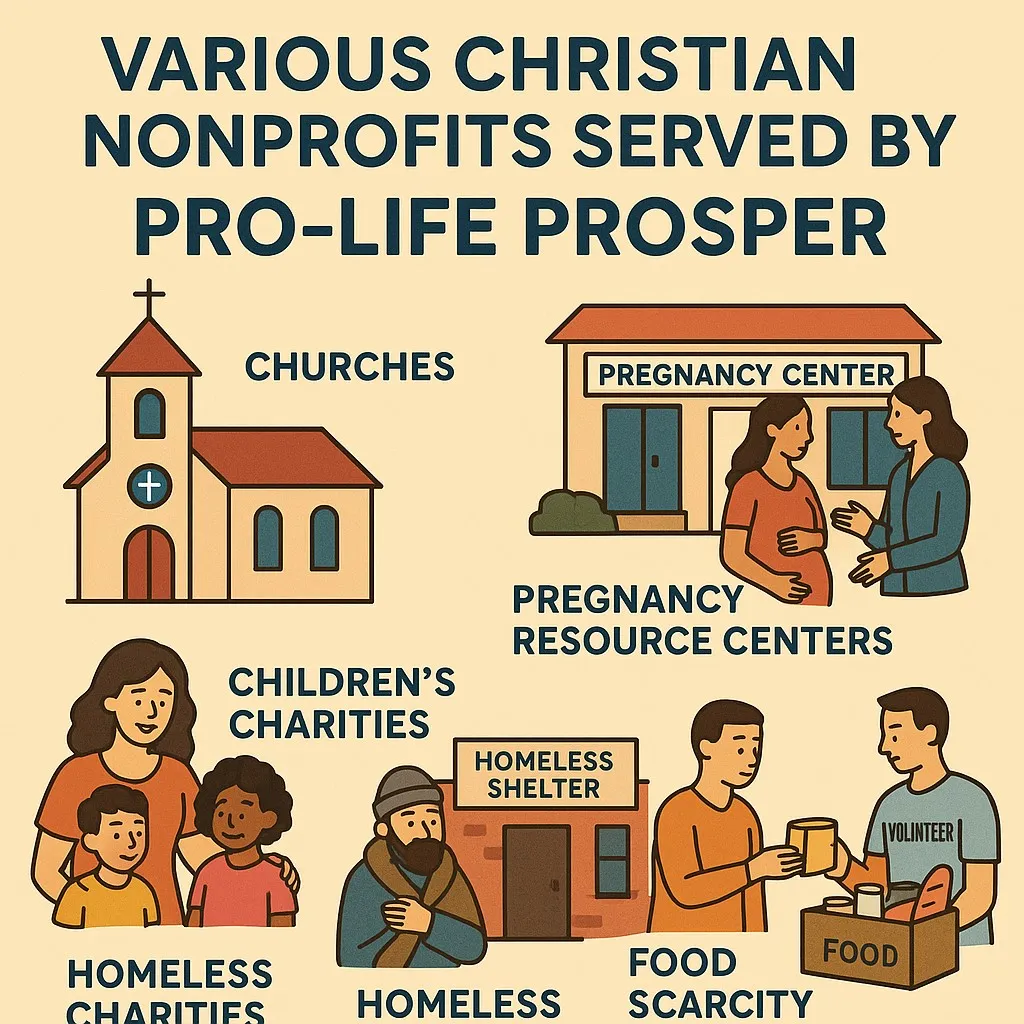
Pro-Life Payments describes its mission as turning ordinary business transactions into funding for the pro-life movement. The company says it donates 15% of its gross revenue to pro-life organizations and uses payment-processing services as a funding engine for life-affirming causes. For businesses and ministries seeking to align operational decisions with their values, that model offers one practical way to direct recurring financial activity toward pregnancy resource centers, adoption agencies, and other organizations serving mothers and children.
The most persuasive response to abortion-as-mercy rhetoric is a culture of real mercy: one that tells women they are not alone, provides help in moments of crisis, and recognizes every unborn child as a human life worthy of protection.
Must See Also: Christian Pro-Life Alternatives to PayCompass