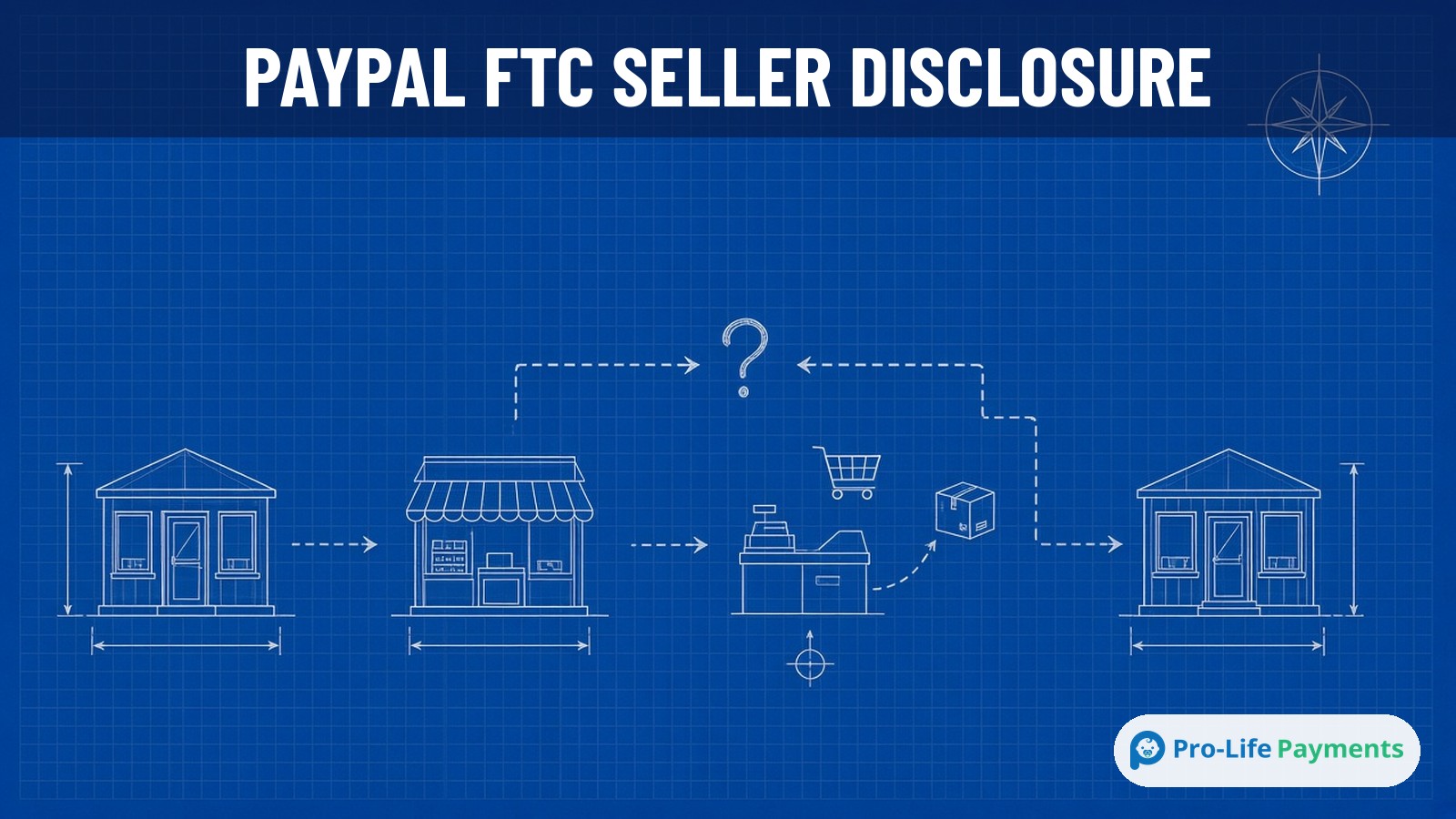
What does PayPal's FTC disclosure mean for platforms charging for other sellers? PayPal says the FTC has been asking questions, through civil investigative demands, about commercial customers that submit charges on behalf of other merchants and about its onboarding and due diligence. That is an inquiry, not a finding. For platforms, the practical takeaway is to be clear about who sells, who delivers and who charges.

PayPal's quarterly report for the period ending September 30, 2026, filed with the SEC on October 27, 2026, describes several regulatory matters in its commitments and contingencies note. Two of them concern how payment platforms handle businesses that charge customers for someone else. This article summarizes what the Form 10-Q filing says, what it doesn't say, and what a platform or marketplace operator can take from it. It isn't legal advice.
What did PayPal disclose about the FTC inquiries?
According to Note 13 of the filing, PayPal received a civil investigative demand (CID) from the Federal Trade Commission in February 2022 "related to PayPal's practices relating to commercial customers that submit charges on behalf of other merchants or sellers, and related activities."
The note says that in August 2025 PayPal received an additional CID "investigating whether deceptive schemes and other unlawful activities by merchants using PayPal's platform were facilitated or furthered by the Company's onboarding, due diligence, and other practices."
PayPal states that the CIDs request documents, answers to written questions and other information, and that "we are cooperating with the FTC in connection with these CIDs." The same two CIDs appear, in substantially the same words, in the note to PayPal's previous quarterly report for the period ending June 30, 2026.
The same note also describes a separate CID received in September 2026 about other subjects, fees and purchase protection. That matter is different and isn't covered here.
Must See Also: Christian Payment Companies
Is a civil investigative demand a finding of wrongdoing?
No. A CID is a demand for information during an investigation. The filing does not report any FTC complaint, finding, settlement or admission related to these two inquiries, and it shouldn't be read as saying PayPal did anything wrong.
PayPal's own framing is cautious. The note says the company is "involved in legal and regulatory proceedings on an ongoing basis," that certain proceedings "are in early stages," and that they may seek damages or penalties or "require us to change or adopt certain business practices." It also says PayPal is unable to estimate the possible loss from potential non-monetary remedies in the matters disclosed, and that accruals for those matters were not material as of September 30, 2026.
What the disclosure does show is the subject a regulator chose to examine: the relationship between a payment platform and the businesses that charge customers on behalf of others.

Must See Also: The Future of Payment Processing for Pro-Life Businesses and Organizations
Why does charging on behalf of other sellers draw attention?
When one business submits charges for another, the customer may see one name while a different company makes the sale and delivers the goods. If the platform only knows the business in front of it, it may not know who the customer is really dealing with.
PayPal's own rules point the same way. Its User Agreement, last updated November 4, 2026, lists as a restricted activity providing "false, inaccurate or misleading information regarding your identity, account or business, goods or services offered or purchased, transaction details." It also explains that some sellers must agree to a Commercial Entity Agreement with the card network member bank that processes their card payments.
Pro-Life Payments takes a similar approach in its Merchant Guidelines & AUP, last updated November 2, 2026, which limit merchants to lawful activities disclosed during onboarding and approved through underwriting and risk review, and prohibit transaction laundering.
Must See Also: Pro Life Fintech - Pro Life Payments
Who is the seller, the fulfiller and the charger in your business?
If your platform takes payments for other businesses, map each relationship before anyone asks. A short matrix makes gaps visible:
EntityActual roleBuyer-facing representationWho deliversProposed charge flowApproval questionYour platformSoftware and checkout hostPlatform name at checkoutNot youCharges collected through your accountIs collecting for others allowed under your agreement?Independent seller AMakes the saleShop name on listingSeller APaid out after saleDoes each seller need its own account or review?Fulfillment partnerShips or performs serviceOften not shownPartnerPaid by seller or platformWho handles refunds and disputes?
The example is fictional. The point is that every column should have a true, documented answer, and the buyer-facing name should match who actually sells.
Must See Also: Level II and Level III Processing for Pro-Life Business
What should a platform ask its payment provider?
Don't assume an account approved for your own sales also covers sales made by others. Before you charge on behalf of any other business, ask your provider in writing:
Does my agreement allow me to accept payments for other sellers, and under what structure?
Do those sellers need their own applications or review?
How should the seller's identity appear to the buyer and on the transaction descriptor?
Who is responsible for refunds, disputes and customer complaints?
Which changes in my model need approval before I make them?
Keep the answers with your onboarding records. If your model changes, raise it before launch. Under PLP's guidelines, activity materially different from what was disclosed during onboarding or underwriting requires prior written approval from PL Payments, Inc.
None of this depends on how the FTC inquiries end. Whatever the outcome, platforms that can explain who sells, who delivers and who charges are better prepared to answer their provider's questions.

Must See Also: How to Choose the Right Christian Payment Processor for Your Faith-Based Organization
We give 15% of our gross revenue directly to pregnancy resource centers (PRCs) and sidewalk counselors across the United States. If you run a platform or marketplace and want to talk through your setup, contact our team or request a processing review or quote.