What happened in the Winston-Salem 40 Days for Life story? In 2016, volunteers said a couple left a Planned Parenthood after receiving information about a pregnancy-help center and later left again after briefly returning. The local campaign leader said volunteers were confident the couple chose life, though they did not know why the couple returned.
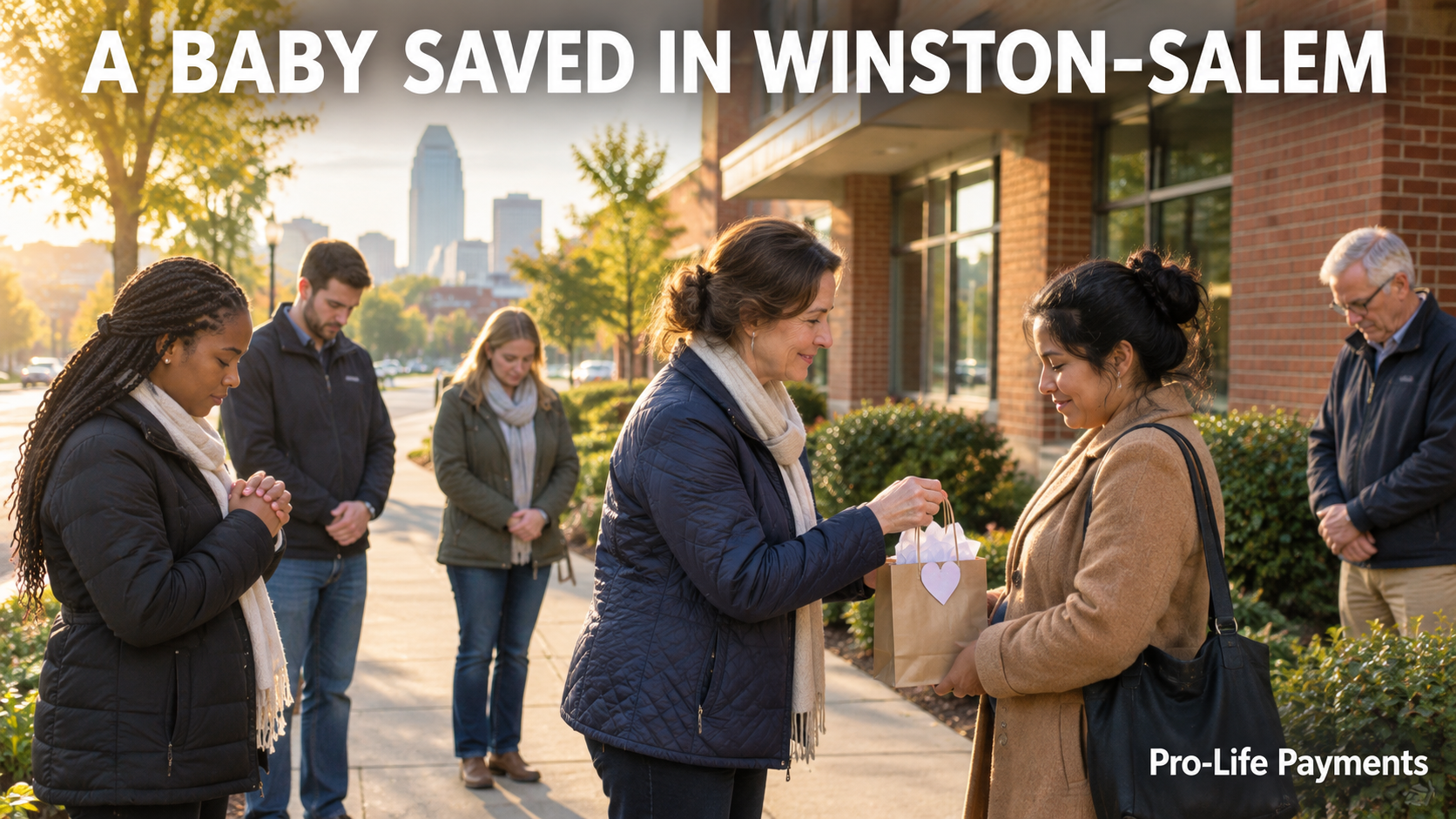
A story shared by 40 Days for Life describes a moment of uncertainty, prayer, and human connection on a Winston-Salem sidewalk. It is a story the campaign leader called a baby saved—but the details are best told with care: volunteers did not know exactly what happened inside the clinic, and the outcome was their confidence, not an independently confirmed account from the couple.
A Couple Asked for Directions
In an October 2016 report, 40 Days for Life identified Toni as the local campaign leader in Winston-Salem. She described a steady stream of prayer witnesses on the sidewalk and a steady stream of clients arriving for abortion appointments. One couple, accompanied by their young son, approached volunteers to ask for directions to Planned Parenthood.
The volunteers offered information about a life-affirming pregnancy center and other resources. The couple left, then returned shortly afterward to say they had decided against abortion and drove away. Later, however, they came back and went inside Planned Parenthood. They exited after about 15 minutes.
What the Volunteers Could—and Could Not—Know
Toni said the volunteers did not know why the couple went back inside. When the couple left again, she said the campaign was confident they had chosen life. The report does not provide a direct interview with the couple or independent confirmation of what decision they ultimately made. That distinction matters: the story can be shared as the campaign’s account without claiming more certainty than its source provides.
Even with that uncertainty, the encounter illustrates why a peaceful, compassionate presence can matter. The volunteers listened, offered information, and made resources available. Their role was not to control the couple’s decision, but to meet them with practical support at a consequential moment.
Prayer, Compassion, and Unity on the Sidewalk
The account also describes a community trying to remain peaceful amid tension. Toni said volunteers were properly and legally parked on the public sidewalk and had a permit after a nearby doctor complained about cars in his lot. She explained that the cars in question belonged to patients of another doctor, who could not use their usual parking because Planned Parenthood patients were occupying the spaces. The report says the vigil participants’ conduct was proper.
Prayer and public witness do not remove the need for humility. A compassionate approach means treating women, men, and families with dignity; sharing accurate information; and recognizing that outsiders may not know the private circumstances or final decisions involved. Unity is strongest when people can work together peacefully while respecting those limits.
A Story to Share with Care
40 Days for Life’s Winston-Salem account offers a picture of volunteers trying to serve through prayer, presence, and resource referrals. It should not be turned into a claim that the volunteers personally verified the couple’s final outcome. The source itself preserves the uncertainty: they did not know why the couple went back in, but were confident the couple chose life after leaving.
That careful framing does not diminish the value of offering help. It honors both the people in the story and the facts the report actually gives. When someone asks for directions, information, or support, a respectful response can open a door to resources and give a family room to consider its options.
Must See Also: Winston-Salem, North Carolina — 40 Days for Life campaign report